
In the fast-paced and competitive world of fuel card sales, the ability to understand and prioritise your customer base is critical. Whether you’re managing a small portfolio or overseeing hundreds of accounts, knowing where to focus your time and energy can make a significant difference to retention, revenue, and overall performance.
This is where the RFM analysis model comes in — a simple yet powerful way to segment and manage your customer accounts using real behavioural data.
🔍 What is RFM?
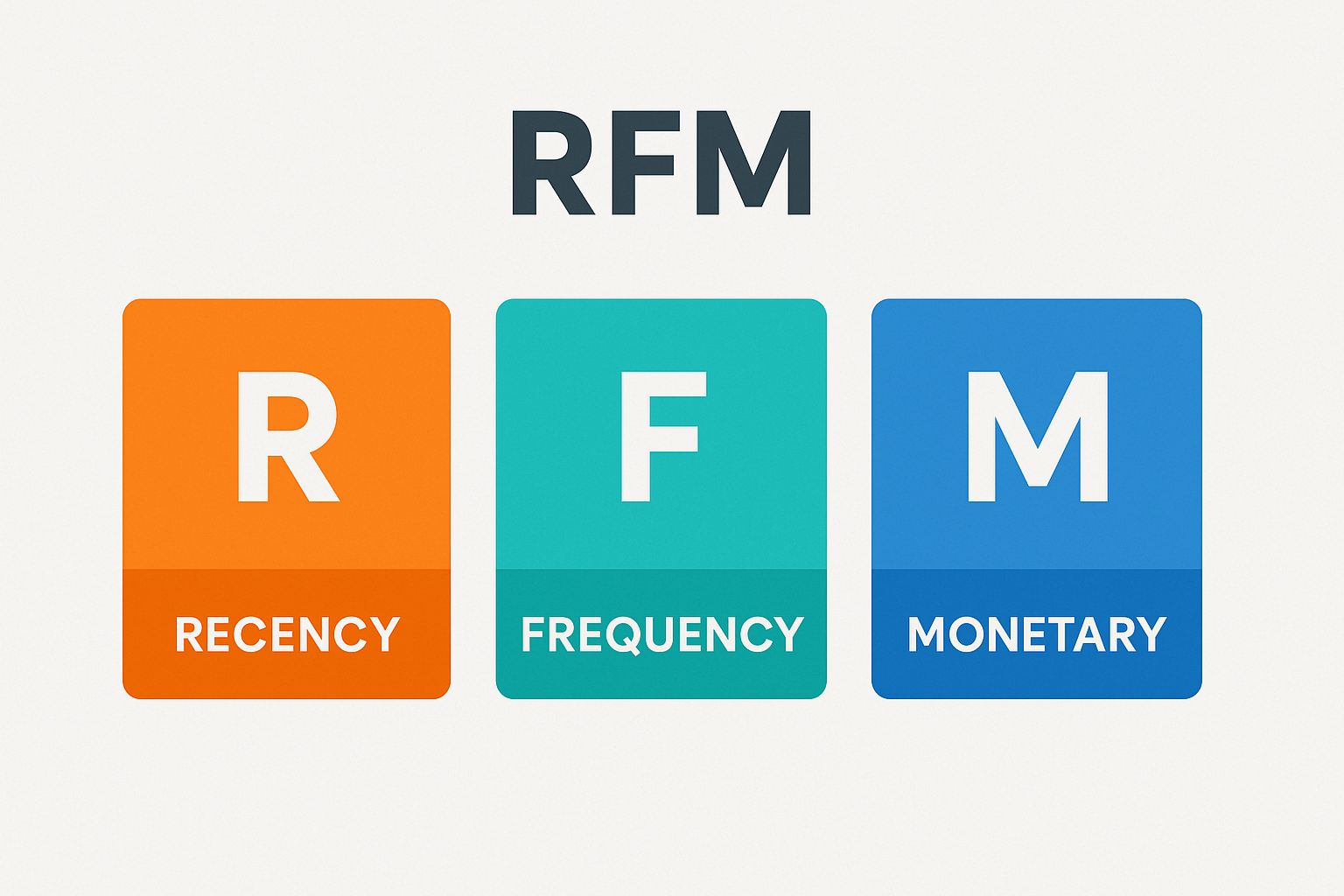
RFM stands for:
- Recency – How recently a customer has made a transaction or interacted with your service.
- Frequency – How often they use their fuel card(s).
- Monetary – How much revenue they’ve generated over a defined period.
Each component provides a different lens into customer health and value, and when combined, gives you a clear view of which customers are your strongest performers — and which are at risk.
💡 Why RFM Matters in the Fuel Card Industry
Fuel card customers can vary hugely in how they use their accounts. Some buy fuel daily across multiple vehicles, others might use their cards sporadically. Without a structured analysis, it’s easy to overlook declining usage trends or undervalue loyal but low-noise customers.
Here’s how RFM helps you manage accounts more strategically:
✅ 1. Identify High-Value Accounts
Customers scoring high on all three RFM metrics (recent usage, frequent transactions, and high spend) are your most valuable accounts. These are the ones you want to:
- Retain with proactive service
- Upsell with relevant products or services
- Reward to reinforce loyalty
✅ 2. Spot At-Risk Customers
A customer who used to spend heavily but hasn’t transacted recently is waving a potential red flag. With RFM, these accounts are easy to identify and re-engage before they churn.
Imagine knowing which clients are silently slipping away — and doing something about it before they’re lost to a competitor.

✅ 3. Drive Smarter Account Reviews
Instead of reviewing accounts in a one-size-fits-all fashion, RFM allows account managers to tailor their reviews and outreach based on actual usage patterns and value. This means:
- More impactful meetings
- Better time management
- More relevant service recommendations
✅ 4. Prioritise Growth Opportunities
Frequent users with modest spend may be ripe for upsell — additional cards, vehicle tracking, or upgraded services. By segmenting these accounts, you can align your efforts with those most likely to respond.
✅ 5. Create Actionable Segments
Each group can have its own account strategy, marketing message, or campaign.
RFM scores let you build clear customer groups such as:
- “VIP” customers: high recency, frequency, and spend
- “Sleeping giants”: high spenders who haven’t used the card lately
- “Growth potential”: regular users with room to increase volume
- “Dormant” accounts: low on all metrics and may need reactivation
🧠 Implementing RFM in Your Sales Process
Whether you’re using a CRM or Excel, RFM can be introduced without complex tech. Here’s a simple approach:
- Pull 3–6 months of transaction data
- Score each customer (1–5) for Recency, Frequency, and Monetary
- Sort and segment your accounts
- Apply targeted outreach, retention, or growth strategies
🔚 Final Thoughts
RFM is more than just a data tool — it’s a practical framework for smarter account management. In the fuel card business, where customer needs and spend patterns vary so widely, RFM helps you work smarter, not harder.
By focusing on real behaviour, you’ll improve customer retention, identify upsell opportunities, and ensure your time is spent where it makes the biggest difference.
Want to learn how to build RFM into your account management playbook?
Get in touch with Fuel Card Sales Academy — we’ll show you how data-backed account management can drive better results for you and your clients.