
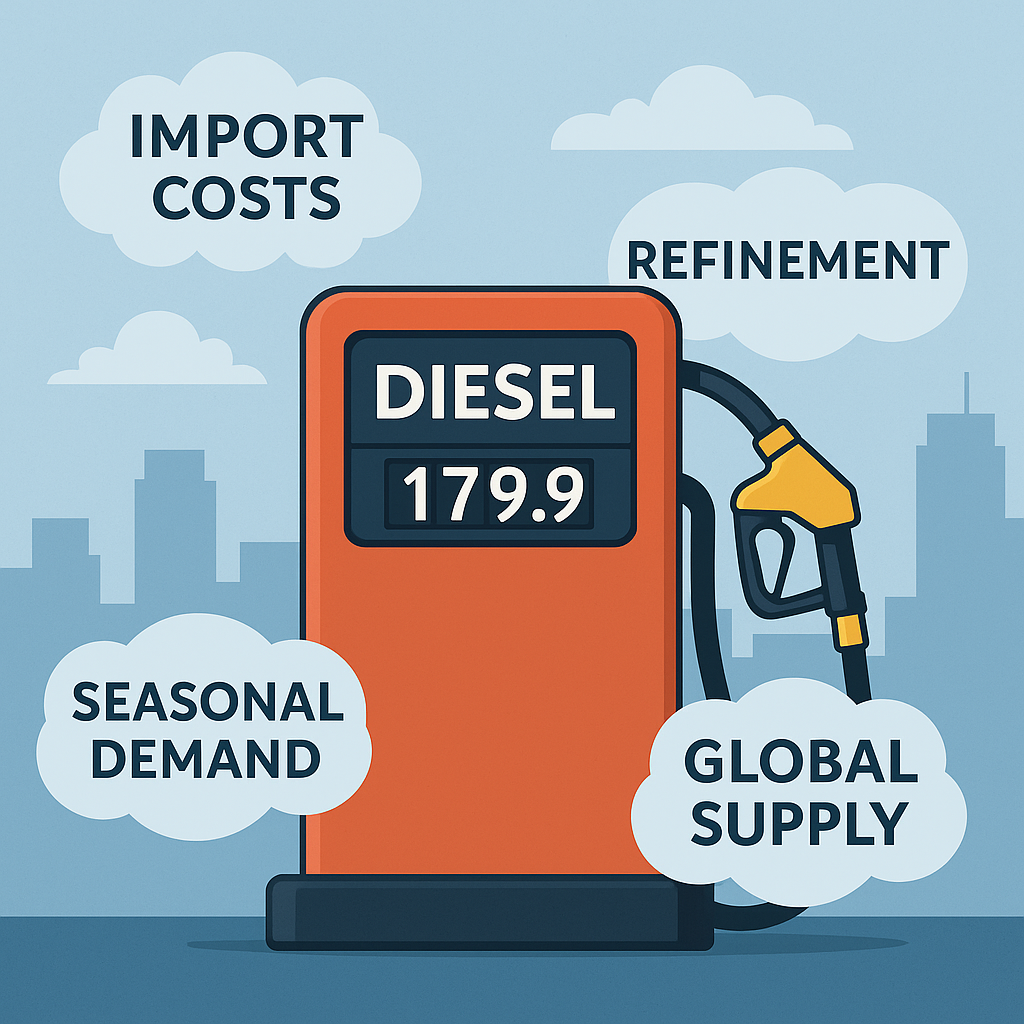
It’s a common question among drivers and fleet managers: if diesel vehicles are more fuel-efficient, why does diesel cost more at the pump than petrol?
While diesel engines typically offer better miles per gallon—especially for long-distance and high-mileage drivers—the higher price of diesel can seem counterintuitive. Let’s break down the key reasons behind the price difference.
1. Higher Import and Delivery Costs
One major factor behind diesel’s higher price is the cost of importing and transporting it.
Diesel fuel contains larger, heavier molecules than petrol. This makes it more expensive to ship and distribute nationwide. Add to that the fact that UK refineries often can’t meet domestic diesel demand, forcing the country to import a significant portion from abroad. These extra import and delivery costs are passed on to retailers—and ultimately, to customers at the pump.
2. More Complex Refinement Process
Turning crude oil into usable diesel requires more additives and a more complex refining process than petrol. These additional steps and materials increase the overall cost of production. And when production costs rise, fuel prices follow.
3. Global Oil Supply and Market Forces
Diesel prices are also influenced by broader market dynamics.
For instance, in April 2023, OPEC (the Organisation of Petroleum Exporting Countries) cut global oil production in an effort to stabilise the market. The reduced supply led to increased prices for both diesel and petrol—but diesel tends to be hit harder due to higher demand and lower availability, especially in Europe.
4. Seasonal Fuel Demand Variations
Petrol prices often dip at the end of summer—known in the industry as the “driving season”—when retailers are left with a surplus they can’t export. To clear stock, they lower petrol prices, which widens the gap between petrol and diesel even further.
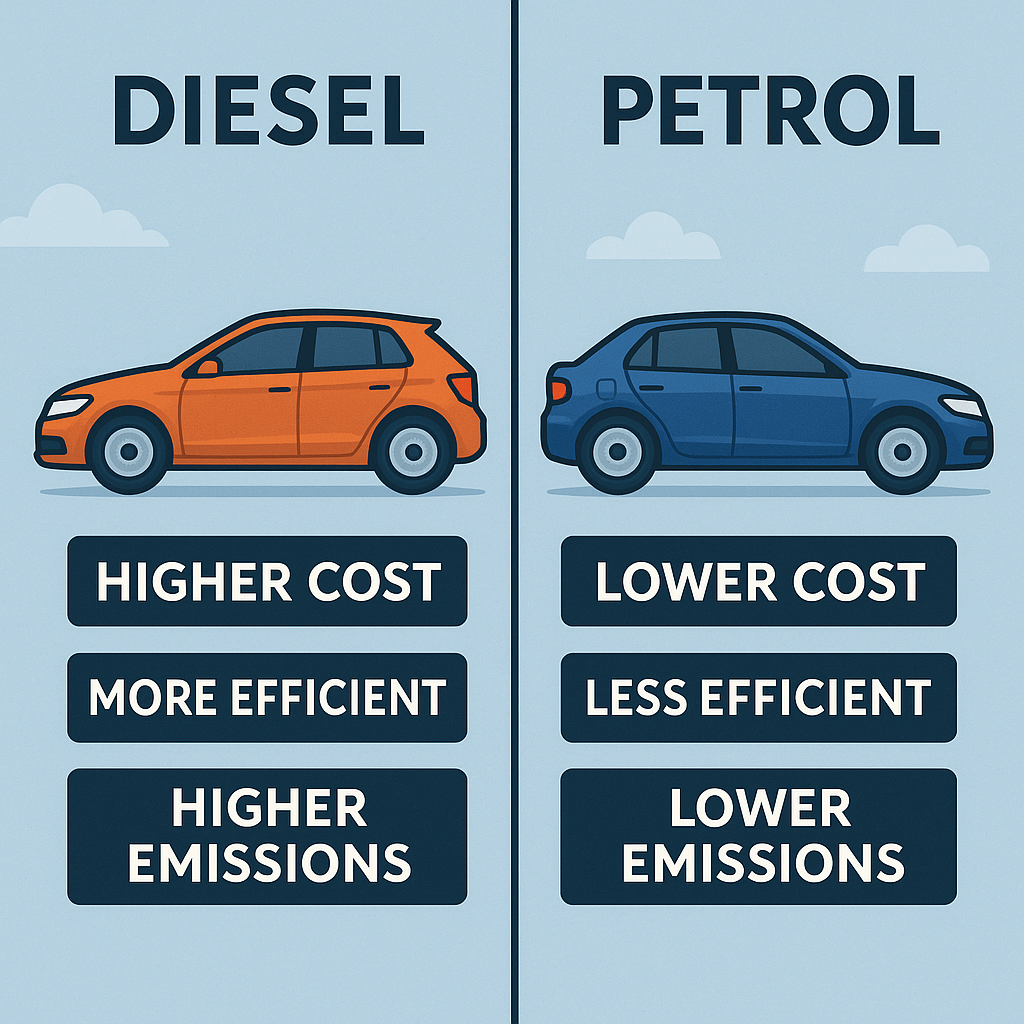
Why Are Diesel Cars More Expensive to Run?
Beyond the fuel cost itself, diesel vehicles can be more expensive to own and operate.
In 2018, the UK government introduced a diesel vehicle tax to help tackle air pollution. This policy was based on the fact that diesel engines emit significantly more harmful pollutants than petrol engines—including up to four times more nitrogen dioxide and 22 times more particulate matter. The tax is designed to discourage diesel use in favour of cleaner alternatives.
Final Thoughts
Diesel still offers clear benefits for certain drivers—especially those covering long distances or managing commercial fleets. However, a mix of global economics, refining challenges, environmental regulations, and seasonal trends all contribute to its higher price tag.
At Fuel Card Sales Academy, we help you understand these industry shifts so you can better support your customers and close more sales. Stay informed, stay competitive.